
A Living Reserve
Protecting rainforest, restoring habitat and supporting wildlife on Costa Rica’s remote southern Pacific coast.
Forest, Wildlife & Community
Conservation at Tiskita began with the land itself: protecting rainforest that was still standing, reforesting areas that had been cleared, and planting trees that would bring wildlife back into the landscape.
Today, Tiskita’s private biological reserve, organic orchard and long-running involvement in conservation projects are all part of the same story — a family-run lodge shaped by rainforest, ocean, wildlife and community.
Private Biological Reserve
Rainforest, restored habitat, wildlife corridors and trails protected within Tiskita’s private reserve.
Macaws Return to the Coast
A long-running reintroduction and monitoring program that helped bring scarlet macaws back to the area.
Tortugas Punta Banco
A nearby community conservation project with deep roots in Punta Banco’s sea turtle protection work.
A Legacy of Land Stewardship
-
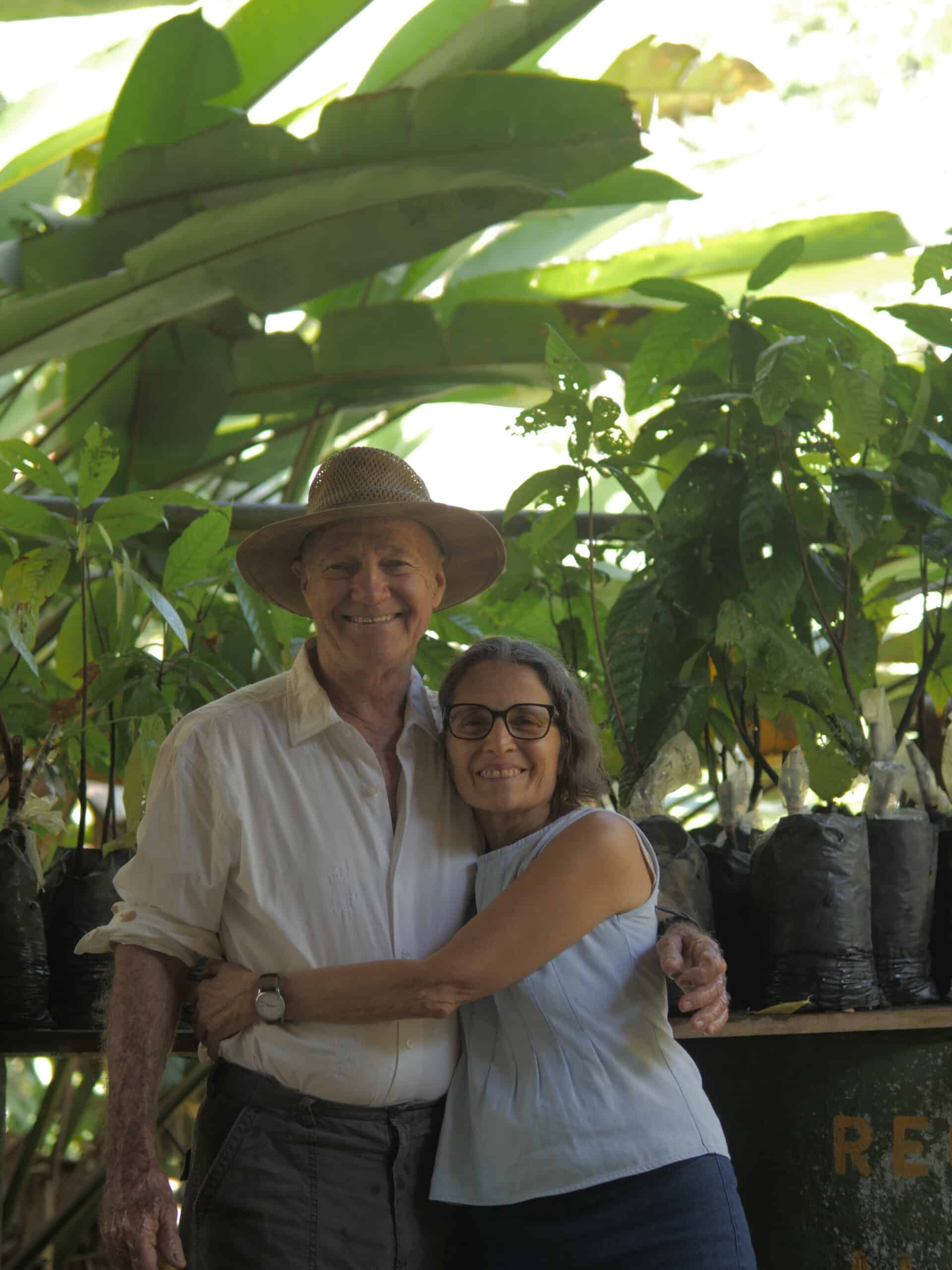 Tiskita founders Peter Aspinall & Lisbeth NúñezTiskita founders Peter Aspinall & Lisbeth Núñez
 -
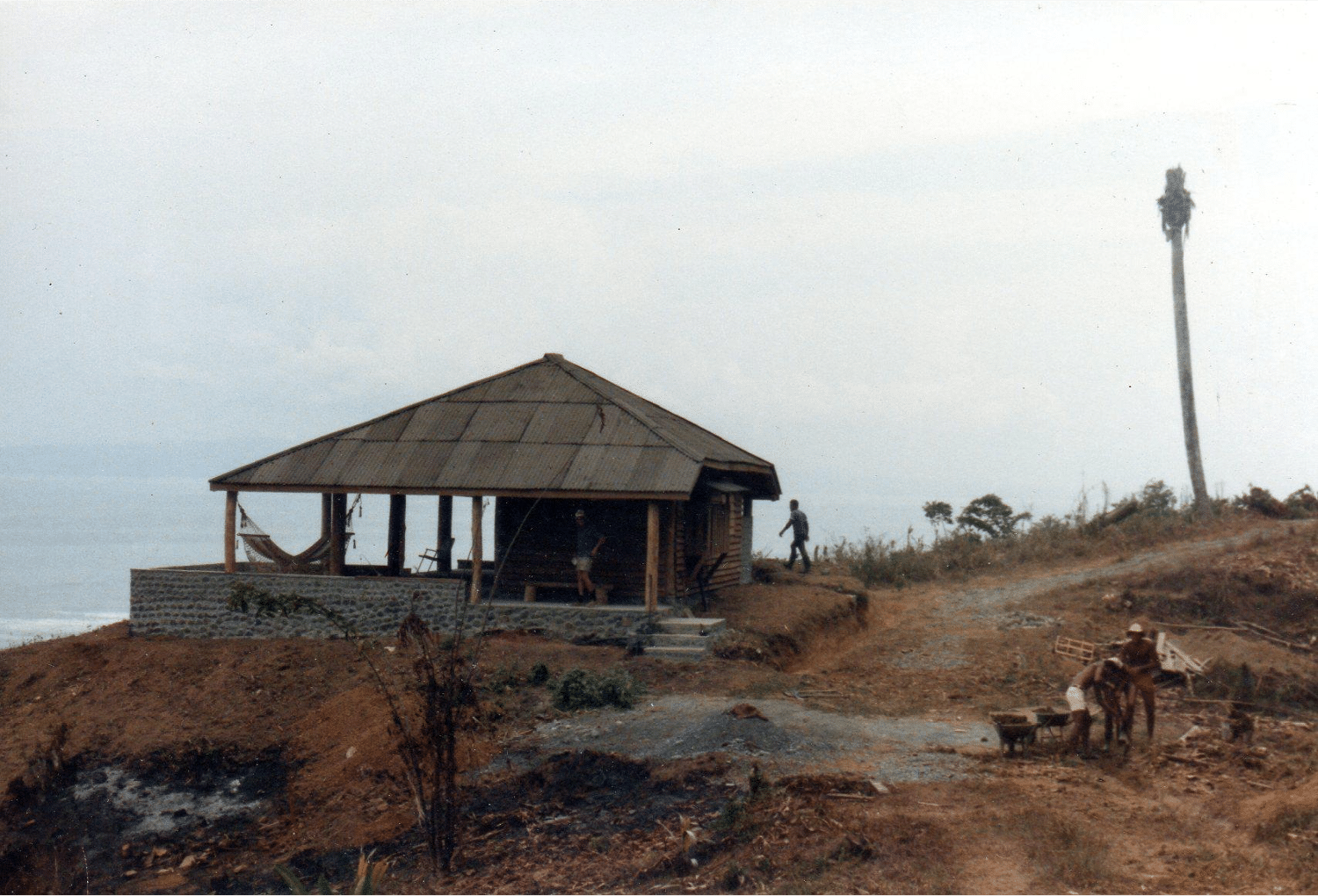 Cabin 4–5, Tiskita’s first cabin, before reforestationCabin 4–5, Tiskita’s first cabin, before reforestation
 -
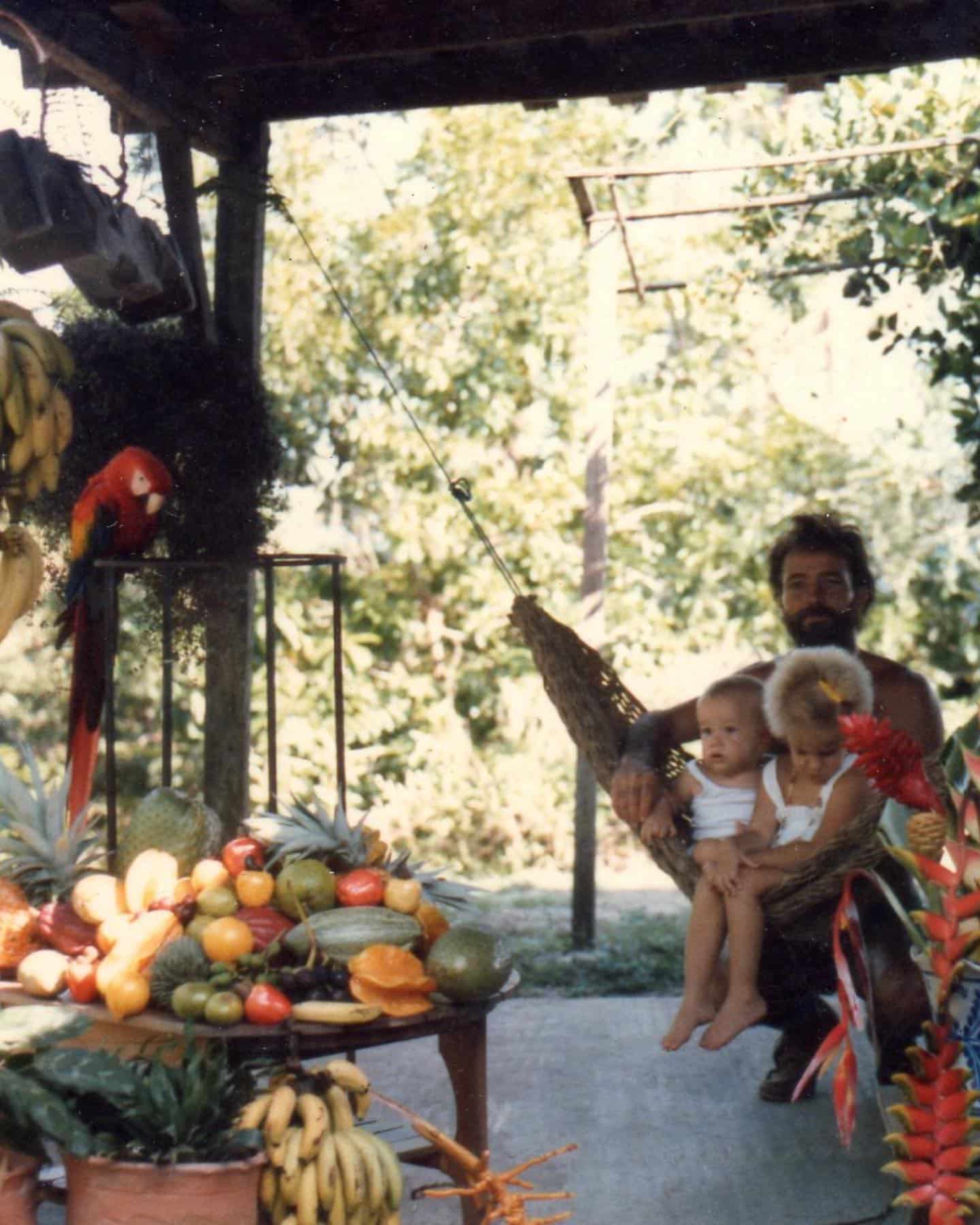 Peter Aspinall with Alanna and Clyde Aspinall at Tiskita, 1985Peter, Alanna and Clyde Aspinall at Tiskita, 1985
 -
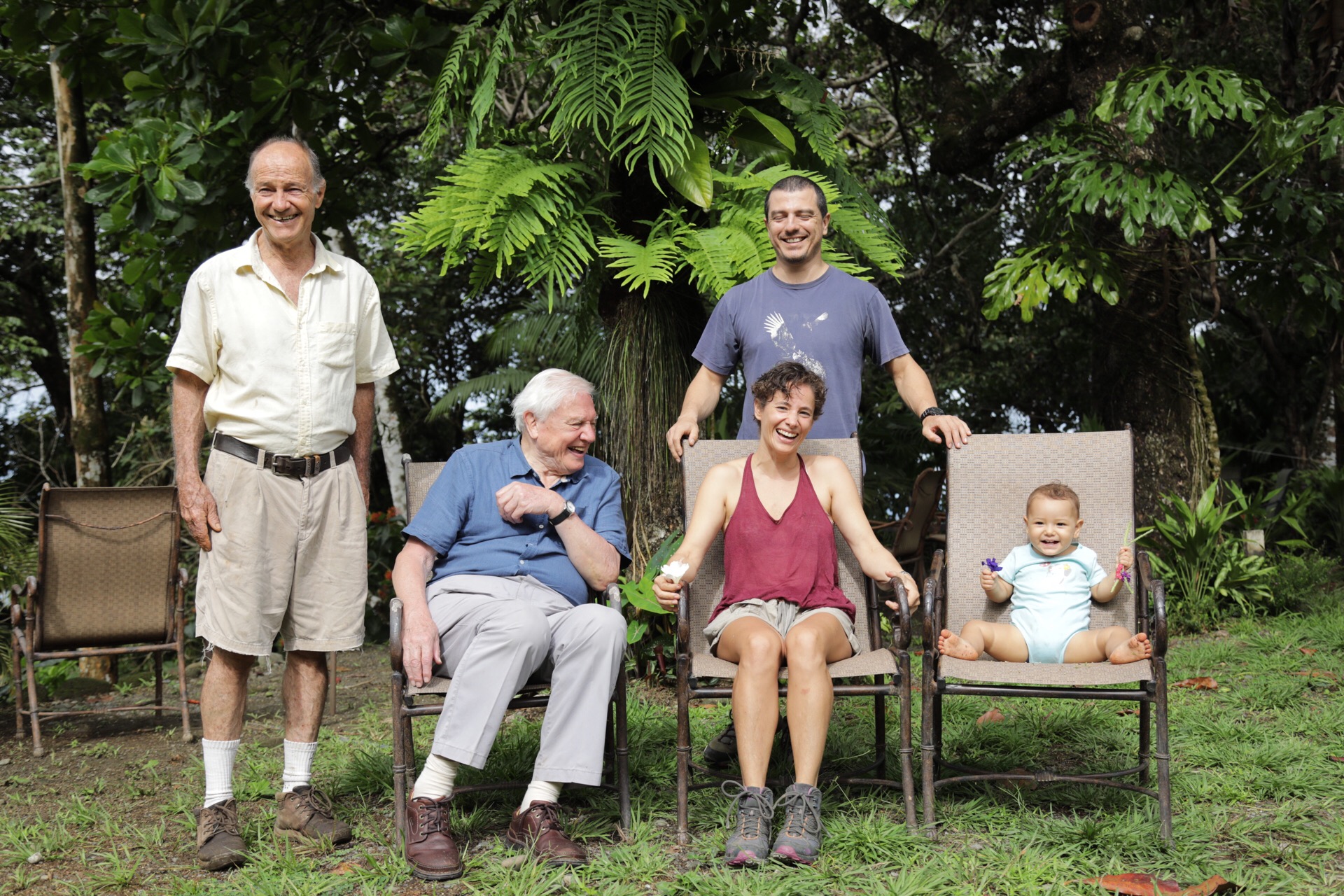 Sir David Attenborough filming Life in Colour at TiskitaSir David Attenborough filming "Life in Colour" at Tiskita


Rainforest Protection, Restoration & Wildlife
Tiskita’s reserve protects old rainforest, restored habitat, streams, trails and wildlife corridors in this corner of the world.
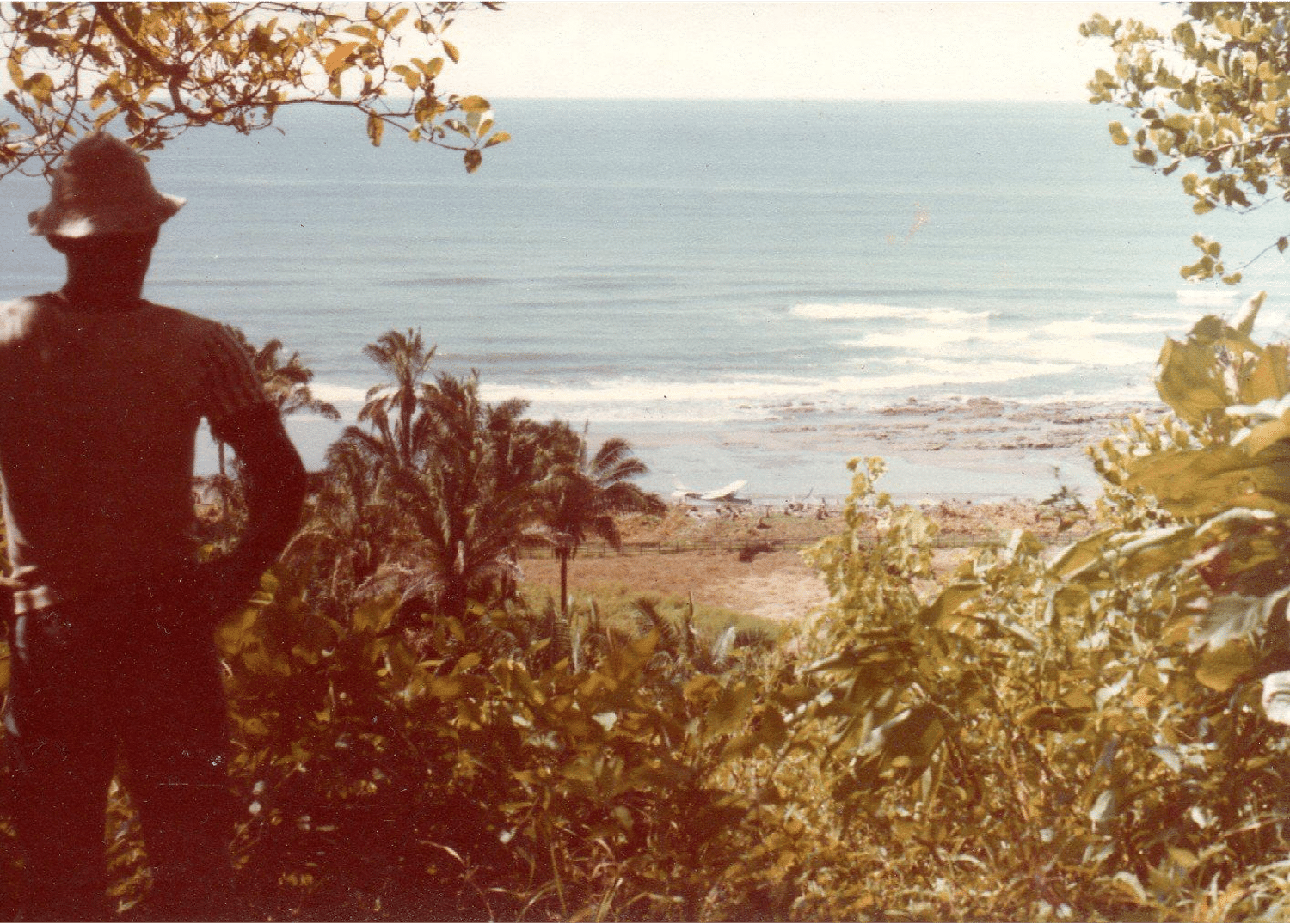
1983 The same view in the early years.

2026 The same view after decades of reforestation and protection.
Much of Tiskita’s rainforest was left standing, while areas that had once been cleared for agriculture and cattle were actively replanted. Native trees, hardwoods, large rainforest species and “wildlife trees” were chosen to help bring birds, monkeys and other animals back into the landscape.
Today, guests experience that restoration directly — on trails through the reserve, around the cabins, in the orchard and from the lodge itself, where wildlife moves through the trees throughout the day.
The goal has never been to separate the lodge from the forest, but to let guests spend time inside a place where nature is simply happening around them — monkeys moving through the trees, birds calling overhead, fruit ripening in the orchard and the ocean always nearby.
Scarlet Macaw Reintroduction
Tiskita was the release site for a long-running scarlet macaw reintroduction and conservation program, helping bring macaws back to this stretch of the southern Pacific coast.

Macaws acclimatized at the release site before soft-release and post-release monitoring.
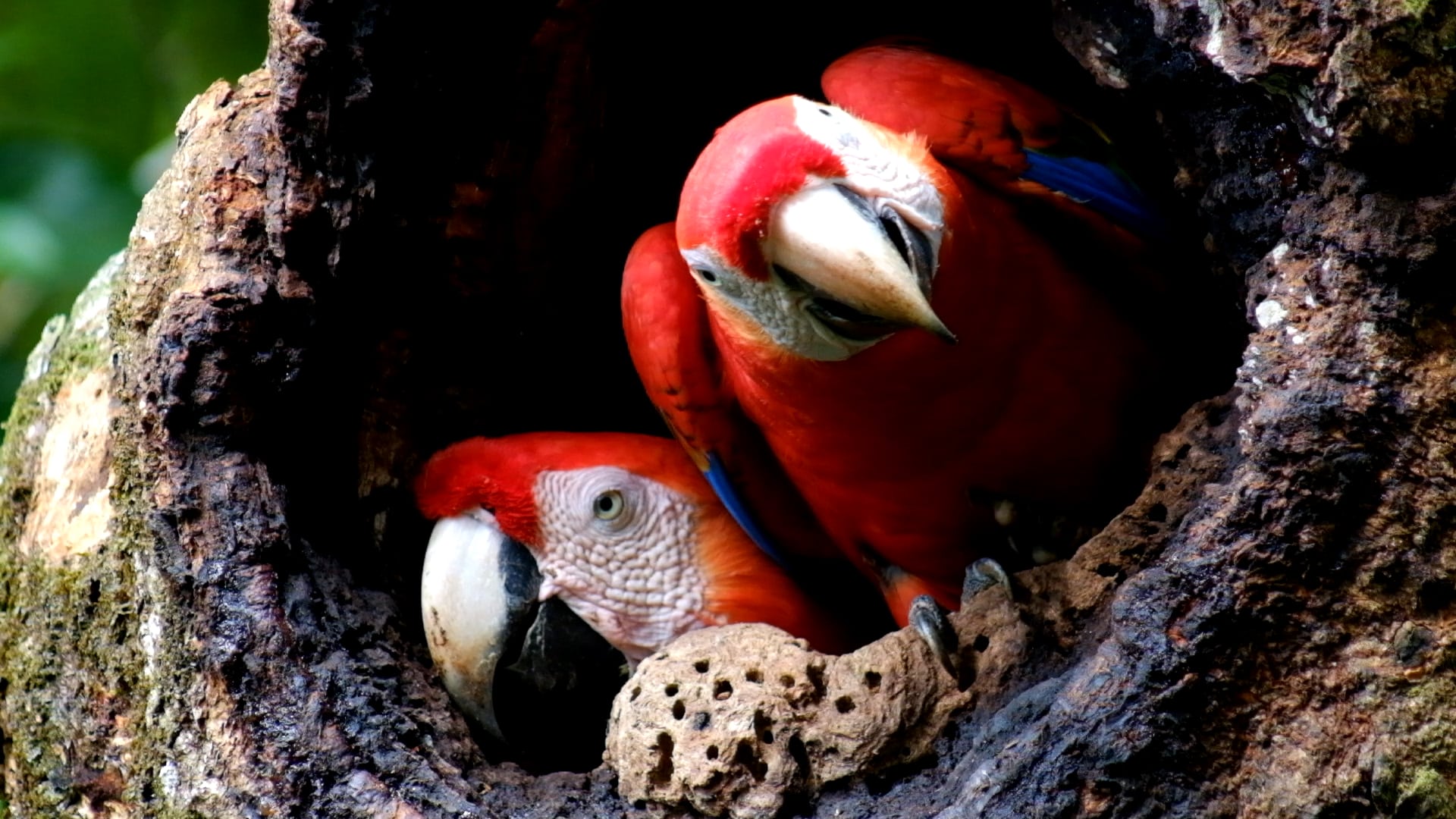
Wild macaws now nest, feed and move through the forest around Tiskita.
Between 2002 and 2014, seventy-five scarlet macaws were released at Tiskita. The project included pre-release acclimatization, soft release, supplemental feeding while the birds adapted, and long-term monitoring of known sites, nest trees and individual birds.
The work was not only about releasing birds, but about understanding whether they could survive, form pairs, disperse, nest and become part of the landscape again. Wild-born fledglings have been observed since 2008. Their population is now stable and growing and so the project has since finished its reintroduction phase.
Seeing macaws fly over Tiskita today is one of the clearest signs of what long-term habitat protection, careful monitoring and patience can make possible. It has become in fact a conservation success story in all of Costa Rica, with scarlet macaws becoming a common site again in much of the country. Efforts continue with the Great Green Macaw especially in the Caribbean side of Costa Rica.
Tortugas Punta Banco
Just down the coast, Punta Banco has a long history of sea turtle conservation rooted in local community work, beach patrols, hatchery care and seasonal monitoring.
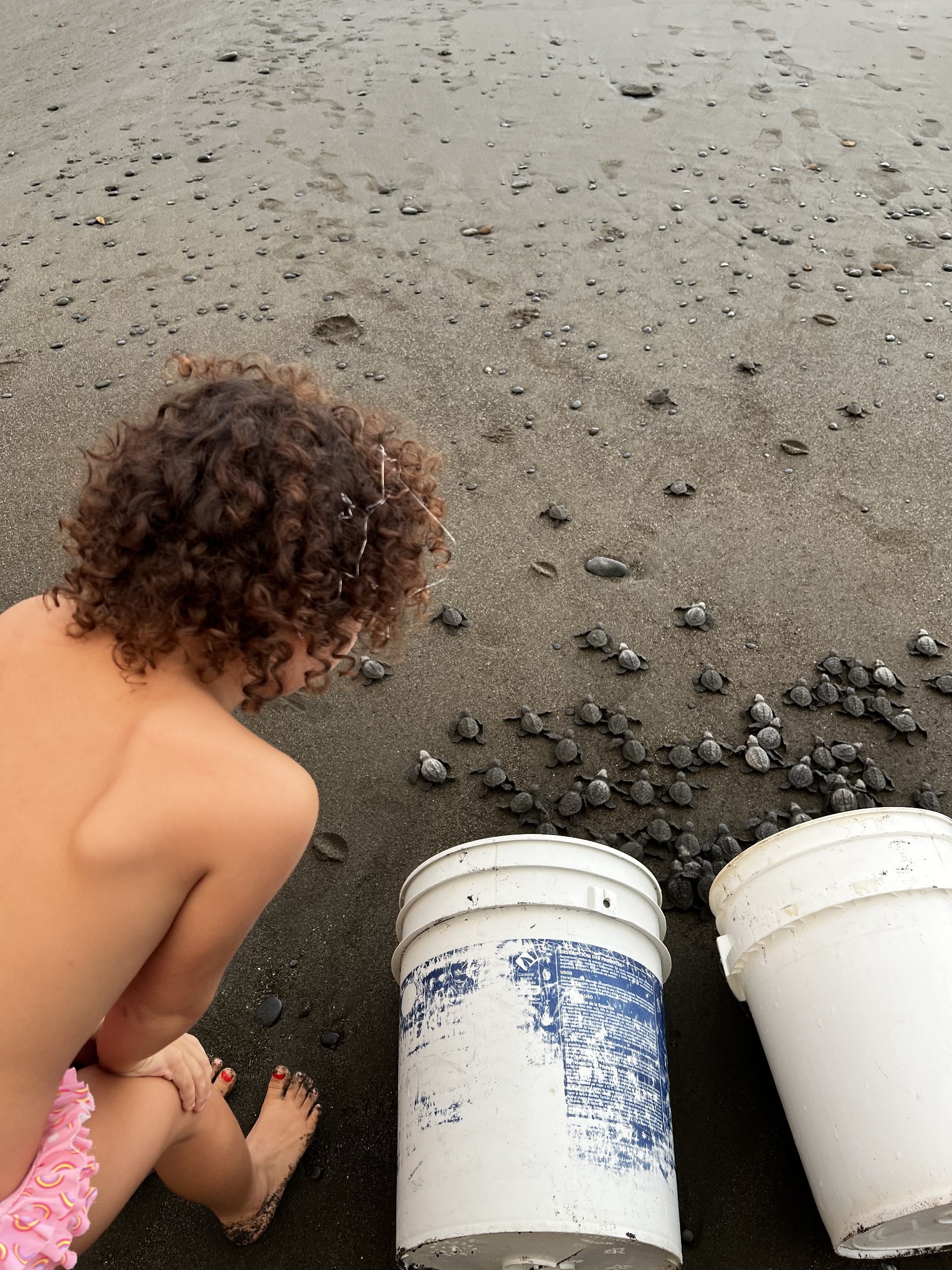
Punta Banco’s beach has been monitored for sea turtle nesting since 1996.
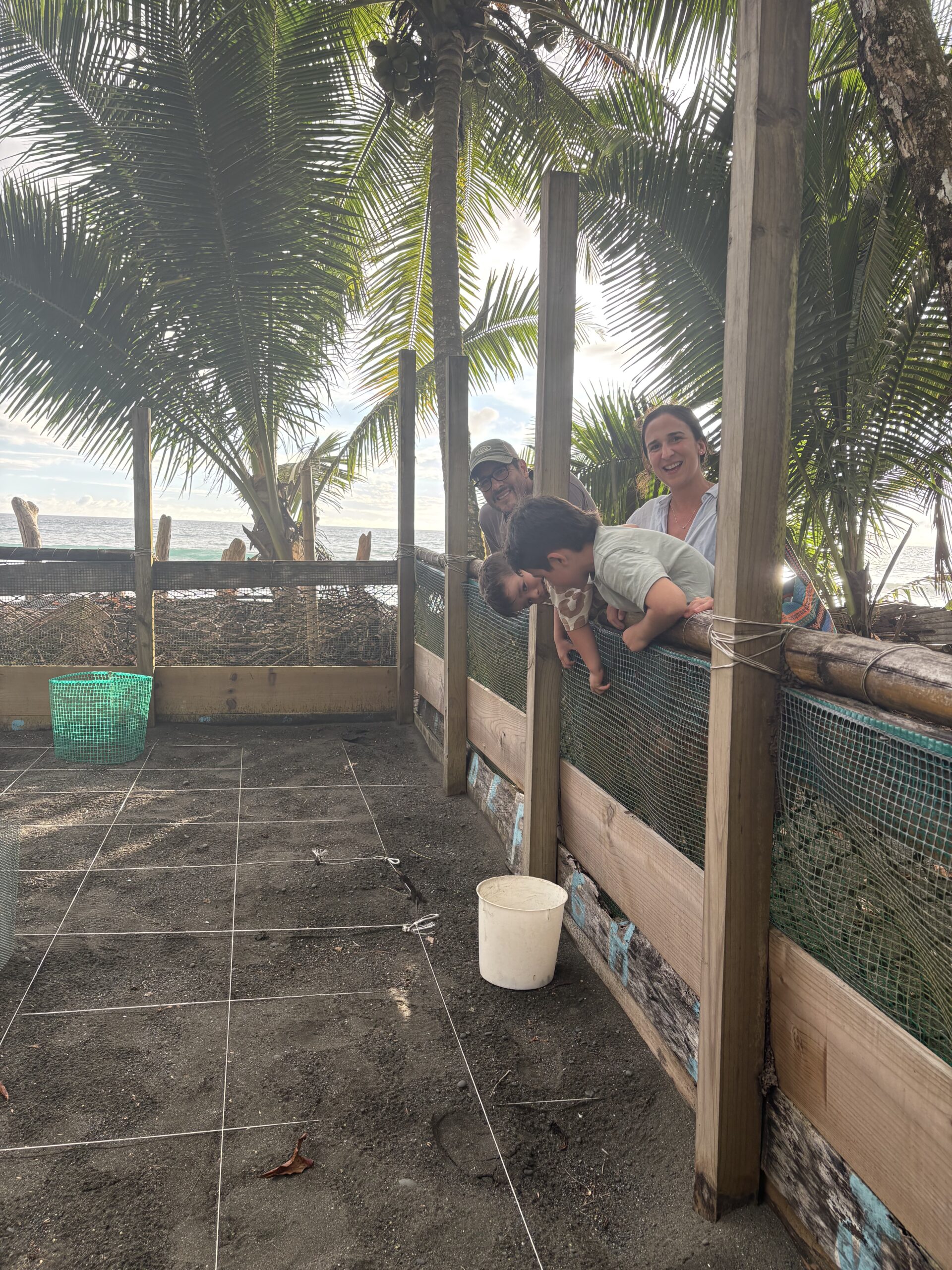
The project is connected to the Punta Banco community and depends on seasonal participation, funding and local organization.
Punta Banco has been an important sea turtle nesting beach for decades. PRETOMA began monitoring and hatchery work here in 1996, especially with Olive Ridley sea turtles, and the beach became one of the longest-running turtle monitoring sites on Costa Rica’s Pacific coast.
After PRETOMA’s work in the area ended, the Punta Banco community began rebuilding the project with local support, including help from Peter and IMAS. Today, Tortugas Punta Banco continues as a 100% community driven and managed conservation effort focused on protecting nests, supporting hatchlings and keeping local people involved in the work.
For Tiskita, this project is part of the wider conservation landscape of Punta Banco. Guests who are interested can ask whether a visit, donation or seasonal volunteer opportunity is possible, depending on nesting season and the needs of the project. Please check their website below. Hatchlings can be usually seen anytime from November to end of January (less as the season progresses).
A Working Farm Within Tiskita
The orchard began as Peter’s tropical fruit project and continues to be an important part of our story
Fruit Trees, Cacao & Wildlife Trees
What began as a tropical fruit project became something broader: an orchard, a food source, a place of experimentation and part of the habitat around the lodge.
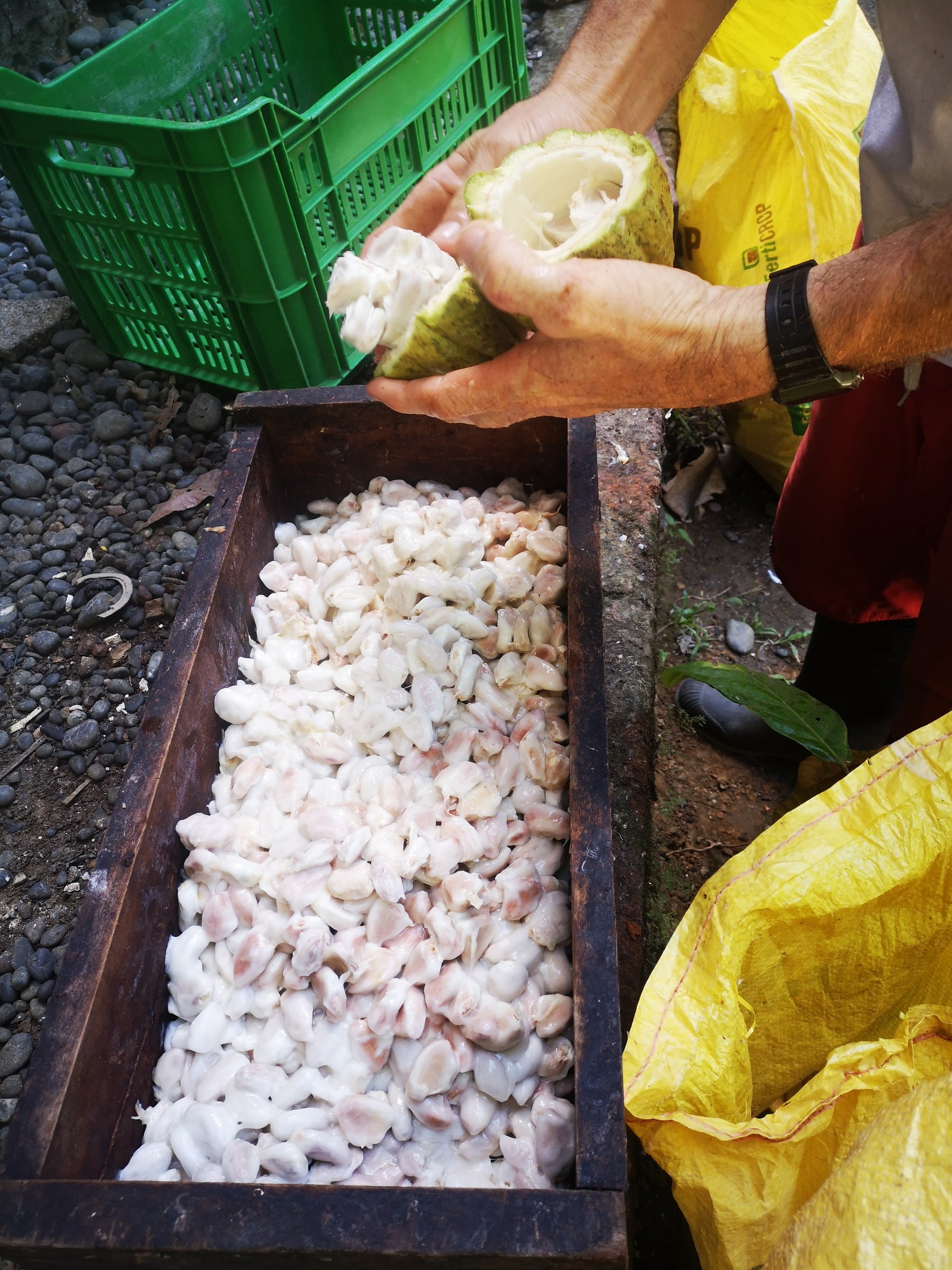
Cacao pulp in a fermentation wooden box
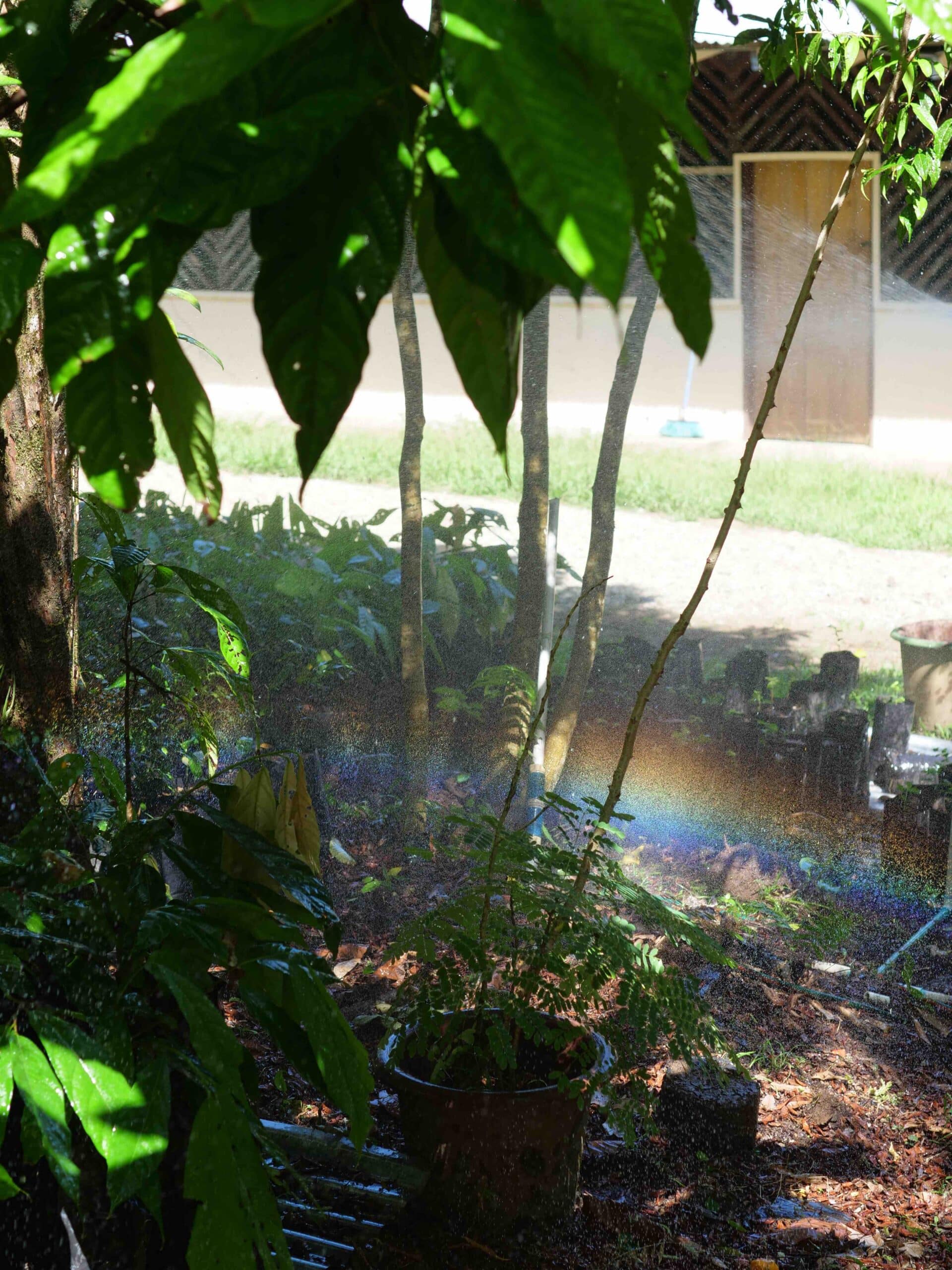
Seedlings ready for planting
Peter’s original idea was to grow tropical fruit. Over time, the orchard became a collection of trees from Costa Rica and beyond — some planted for fruit, some for shade, some for timber, and many because they help support wildlife.
The orchard has had many iterations of a main crop. Right now there are old Starfruit trees still bearing fruit, Fully grown Mangosteen trees which the Cappuchin monkeys love and our biggest crop is currently Cacao. The same landscape that holds the lodge, reserve and orchard also produces cacao that can be harvested, fermented, dried, roasted and made into chocolate on site.
Guests experience the orchard in small ways throughout their stay — in fresh fruit, chocolate in desserts, walks through the farm and the wildlife that comes to feed in the trees.